Clear Images for Confident Dental Care
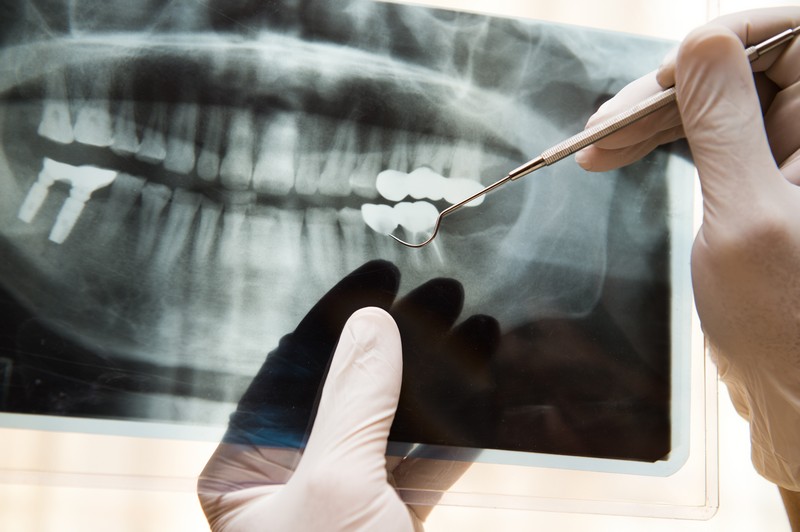
At South Park Dental Group, we use advanced dental X-ray technology to give you a detailed look beneath the surface. Whether it’s spotting cavities early or assessing bone health, X-rays help us tailor treatments just for you here in Orlando, FL.
Why Choose Dental X-Rays at South Park Dental Group?
Dental X-rays are an essential part of modern oral health. They reveal hidden issues that aren’t visible during a regular exam, like decay between teeth, impacted wisdom teeth, or jawbone problems. At South Park Dental Group, we prioritize your safety and comfort by using low-radiation digital X-rays that produce clear images quickly.
When you visit us in Orlando, FL, expect a friendly environment where our team explains the process and answers your questions. We aim to make the experience straightforward and stress-free, helping you understand what the images show and how they guide your treatment plan.
Need an X-ray or consultation? Don’t hesitate to request an appointment with South Park Dental Group today. We’re here to help you maintain a healthy, confident smile.
FAQs
Are dental X-rays safe?
Yes, dental X-rays at South Park Dental Group use digital technology that emits very low radiation. We follow strict safety protocols to protect you, making X-rays a safe diagnostic tool.
How often do I need dental X-rays?
The frequency depends on your oral health and history. Some patients may need them annually, while others less often. Your dentist at South Park Dental Group will recommend the best schedule for you.
What can dental X-rays detect?
X-rays help find cavities, check for bone loss, detect infections, monitor tooth development, and evaluate wisdom teeth. They provide a detailed view that a visual exam alone can’t offer.
Do dental X-rays hurt?
No, the process is quick and painless. You’ll simply bite on a small device while the image is captured in seconds.
Can I get dental X-rays if I’m pregnant?
We take extra precautions for pregnant patients. Generally, X-rays are avoided during pregnancy unless absolutely necessary to protect your health and that of your baby.